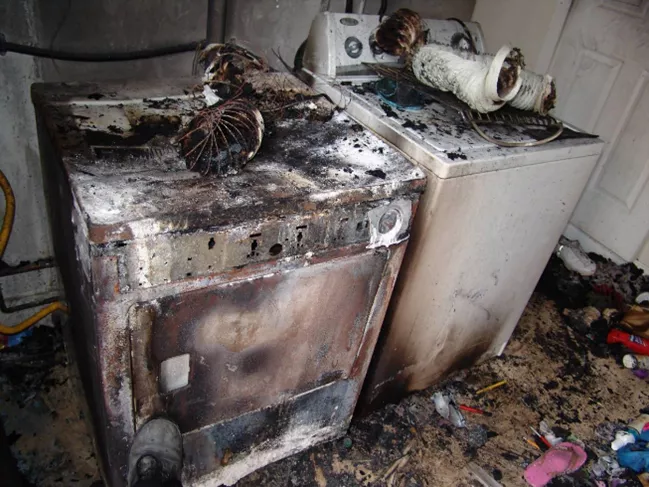
If your dryer suddenly needs two or three cycles to dry a normal load, it’s not just an inconvenience—it’s a warning sign. Long dry times usually mean one of two things: your dryer isn’t heating properly or airflow is restricted. And when airflow is restricted, heat and lint can build up in places they shouldn’t, increasing the risk of overheating and even dryer fires.
In Los Angeles homes and apartments, slow-drying dryers are a common reason people book washer dryer repair Los Angeles CA. Many LA laundry setups have tight closets, long vent runs, or vent hoses that get crushed behind the unit—all of which can reduce airflow and make a dryer work much harder than it should.
This guide explains the most common causes of long dry times, the fire-risk signs you should take seriously, what you can safely check first, and when to call for professional appliance repair Los Angeles CA or same day appliance repair Los Angeles CA.
Why Long Dry Times Are a Bigger Problem Than They Seem
A dryer needs three things to dry clothes efficiently:
- Heat (electric heating element or gas burner)
- Air movement (blower + tumbling action)
- Ventilation (moist air must exit through the vent)
When something blocks that process, the dryer:
- runs longer,
- uses more electricity or gas,
- overheats internally,
- and wears out parts faster.
That’s why long dry times are one of the best early indicators that you need appliance service Los Angeles CA—even if the dryer still “sort of works.”
The Most Common Reasons Your Dryer Takes Too Long to Dry
Below are the causes technicians see most often in home appliance repair Los Angeles CA, especially in apartments and multi-unit buildings.
1) Lint screen buildup (simple, but very common)
Most people clean the lint screen, but many don’t realize a thin film can build up from fabric softener and dryer sheets. That film reduces airflow through the screen, slowing drying.
What to do:
- Clean the lint screen after every load
- Once per month, wash the lint screen with warm soapy water
- Let it dry completely before reinstalling
If dry times improve noticeably after cleaning the screen properly, airflow restriction was part of the issue.
2) Clogged dryer vent (major cause + major fire risk)
A clogged vent is one of the most common reasons a dryer takes too long to dry—and it’s one of the biggest fire hazards.
When the vent is blocked, moist air can’t escape. Heat builds up, and lint can collect inside ducting.
Signs of a vent clog:
- laundry room feels hot and humid during dryer use
- outside vent flap barely opens
- weak airflow outside when the dryer is running
- musty smell, burning smell, or “hot” odor
- dryer runs much longer than normal
If you suspect a vent clog, avoid running repeated cycles. Schedule service—this is a common reason people request same day appliance repair Los Angeles CA.
3) Vent hose crushed, kinked, or too long (common in LA laundry closets)
In many LA apartments, the dryer sits in a tight closet and gets pushed back too far, crushing the flexible hose.
Also, vents with too many turns or long duct runs can reduce airflow significantly.
Clues:
- dry time got worse after moving the dryer
- dryer works better when pulled away from the wall
- vent line has multiple bends or sharp turns
A vent hose fix is often quick, but it makes a huge difference.
4) Overloaded dryer (poor tumbling = poor airflow through clothes)
If the drum is packed, clothes can’t tumble and air can’t move through fabric properly.
Try this:
- reduce load size
- shake out heavy items (towels, jeans, bedding) before loading
- don’t mix heavy items with light items in the same load
If smaller loads dry normally, the dryer may be fine—but overloading was slowing performance.
5) Incorrect cycle settings (low heat or air-only)
Sometimes the “problem” is a setting change:
- Low heat
- Delicate mode
- Air fluff / no heat mode
These cycles can take much longer, especially for towels or bedding.
Tip: Use a normal heat setting for heavy fabrics, and confirm the dryer is actually producing heat.
6) Moisture sensor problems (dryer stops early or runs strangely)
Many modern dryers use moisture sensors to determine dryness. If sensor bars are coated with residue, the dryer can misread and behave inconsistently—either ending too early or taking too long.
Quick fix:
- wipe moisture sensor bars inside the drum with rubbing alcohol
- remove residue from dryer sheets/softener
If performance remains inconsistent, a technician may need to test sensors during appliance repair Los Angeles CA.
7) Heating element (electric) or gas burner problems
If heat production is weak, drying takes much longer—even with good airflow.
Symptoms of heating issues:
- dryer runs but clothes stay damp
- dryer feels like it’s “warming” but not really drying
- cycles take forever regardless of load size
- clothes come out lukewarm instead of properly warm
Heating problems are a common reason for washer dryer repair Los Angeles CA.
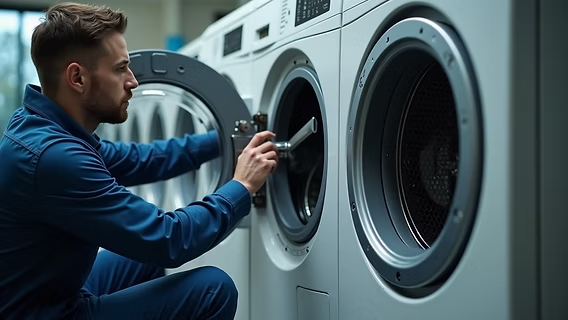
8) Blower wheel or airflow motor issues
The blower pushes air through the drum and out the vent. If the blower wheel is loose, clogged, or damaged, airflow drops.
Signs:
- rattling or thumping noise during operation
- weak airflow at the outside vent even with a clean lint screen
- long dry times that keep getting worse
This is a repair a technician can diagnose quickly.
9) Worn door seal (heat and airflow leak out)
If the door gasket doesn’t seal properly, hot air escapes, airflow patterns weaken, and efficiency drops.
Clues:
- heat leaking around the door
- uneven drying
- lint escaping near the door area
Door seals are usually repairable, and replacing them can restore performance.
10) Poor intake air in tight laundry closets
Dryers need enough intake air to run properly. In small closets with limited airflow, performance drops and heat can build up.
Signs:
- closet area gets extremely hot
- drying improves with closet door open (not always safe long-term, but a clue)
- dryer seems to overheat or shut off intermittently
A professional can recommend safe solutions depending on your setup.
Fire Risk Signs: When You Should Stop Running the Dryer
Long dry times + overheating + lint buildup can become dangerous. If you notice any of these signs, stop running the dryer and schedule washer dryer repair Los Angeles CA (or same day appliance repair Los Angeles CA if needed):
- burning smell (especially a sharp, hot, “electrical” smell)
- dryer top or sides are too hot to touch
- clothes come out extremely hot
- dryer shuts off due to overheating
- visible lint buildup around the dryer base or behind it
- the outside vent flap barely opens or airflow is weak
- smoke or unusual scorching marks (rare but urgent)
These signs often point to restricted venting or overheating components—both should be treated as urgent.
What You Can Safely Check First (Quick Troubleshooting)
Before calling a technician, you can do these safe checks:
- Clean the lint screen thoroughly (and wash it monthly)
- Run a smaller load and see if drying improves
- Check the outside vent flap while the dryer runs
- you should feel strong, warm airflow
- you should feel strong, warm airflow
- Ensure the vent hose isn’t crushed or kinked behind the dryer
- Wipe moisture sensor bars with rubbing alcohol (if your model has them)
If airflow outside is weak, the laundry area is getting humid, or you smell burning—don’t keep running extra cycles. Book professional appliance service Los Angeles CA.
When to Call for Washer Dryer Repair in Los Angeles CA
You should schedule service if:
- dry times increased suddenly
- you must run two cycles for a normal load
- the dryer heats inconsistently or not at all
- airflow is weak at the outside vent
- the dryer gets unusually hot
- you’ve cleaned the lint screen and checked obvious kinks but nothing changed
A qualified tech can determine whether the problem is venting, heating, airflow, sensors, or worn parts—and fix it safely.
LA Apartment and Landlord Note (Quick, Practical)
In apartment buildings, venting and maintenance responsibilities can vary. If your outside vent is on a shared wall or roof vent system, a professional can help identify whether the restriction is within your unit connection or further down the vent run. This is one reason residents and property managers often rely on home appliance repair Los Angeles CA professionals—diagnosis is faster than guessing.
Need Appliance Repair in Los Angeles CA? Don’t Keep Running Extra Cycles
A dryer that takes too long to dry wastes energy and can increase fire risk when airflow is restricted. If you’re noticing long dry times, overheating, or weak vent airflow, getting it checked quickly can protect your dryer and your home.
For fast washer dryer repair Los Angeles CA, dependable appliance repair Los Angeles CA, and reliable home appliance repair Los Angeles CA, book professional appliance service Los Angeles CA—and if it feels urgent, request same day appliance repair Los Angeles CA.