In Los Angeles, your HVAC system doesn’t get much rest. Long, hot seasons and warm shoulder months mean your equipment runs more than in many other cities. A professional HVAC tune-up is how you keep that system efficient, reliable, and ready before the real heat arrives.
This page walks you through what actually happens during a tune-up, what a qualified hvac service technician checks, and how proper hvac maintenance los angeles ca helps you avoid breakdowns and surprise repair costs.
Why Tune-Ups Matter in LA’s Climate
Because of LA’s weather, your system:
- Runs for more hours per year
- Collects more dust and outdoor debris
- Faces heavy workloads during heat waves
Skipping maintenance usually shows up in three ways:
- Rising energy bills
- Rooms that don’t feel as comfortable as they used to
- More frequent calls for hvac repair los angeles ca or last-minute air conditioning repair los angeles ca when the system fails under stress
Regular hvac maintenance services are designed to catch problems early, keep performance closer to “like new,” and reduce the risk of no-cool situations on the hottest days.
Before the Visit: Scheduling and Basic Preparation
When you book hvac maintenance los angeles ca, you’ll usually:
- Choose a date and a time window for the visit
- Confirm whether the focus is cooling, heating, or a full system check
- Share any issues you’ve noticed: hot spots, strange noises, unusual smells, or high bills
Before the technician arrives, it helps if you:
- Clear access to the indoor unit (closet, attic, garage, or hallway)
- Make sure the outdoor unit isn’t blocked by stored items, trash cans, or heavy vegetation
- Secure pets and ensure gates or doors are unlocked where needed
That way, the hvac service technician can move through the inspection and testing without delays.
Step 1: Thermostat and Basic System Start-Up
Most tune-ups begin at the thermostat.
The technician will:
- Check that the thermostat powers on and responds correctly
- Confirm mode (cooling/heating) and temperature settings
- Turn the system on from the thermostat and listen for how it starts
This step gives a real-world snapshot of how your system behaves in daily use. If there’s an issue with communication between the thermostat and the equipment, it gets noticed early in the visit.
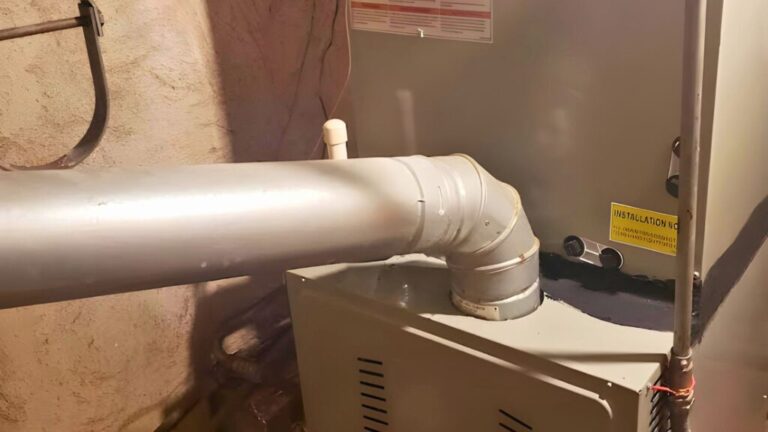
Step 2: Indoor Unit Inspection (Air Handler or Furnace)
Next, the focus moves to the indoor equipment. This part affects both comfort and air quality.
Typical checks include:
- Air Filter Condition
- Inspecting the filter for dirt and blockage
- Recommending replacement or cleaning if airflow is restricted
- Inspecting the filter for dirt and blockage
- Blower and Airflow
- Checking the blower motor and fan wheel
- Listening for noise and vibration issues
- Confirming that air is moving properly through the system
- Checking the blower motor and fan wheel
- Electrical Components & Safety Controls
- Inspecting wiring connections and visible components
- Checking safeties, such as limit switches and other protections
- Inspecting wiring connections and visible components
- Evaporator Coil (If Accessible)
- Looking for dirt, dust, or ice buildup
- Identifying conditions that could lead to reduced cooling or future air conditioning repair los angeles ca needs
- Looking for dirt, dust, or ice buildup
If your system also provides heat (furnace or heat pump), the hvac services los angeles visit may include additional safety and combustion-related checks, depending on equipment type.
Step 3: Outdoor Unit Inspection (Condenser)
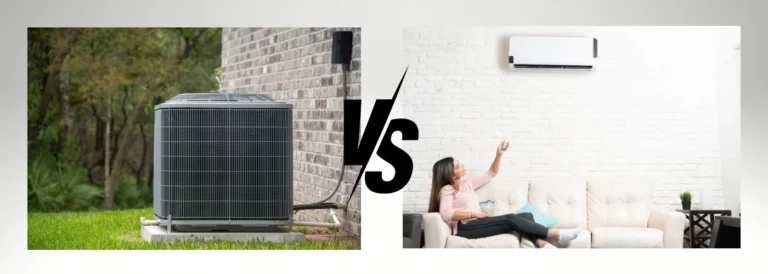
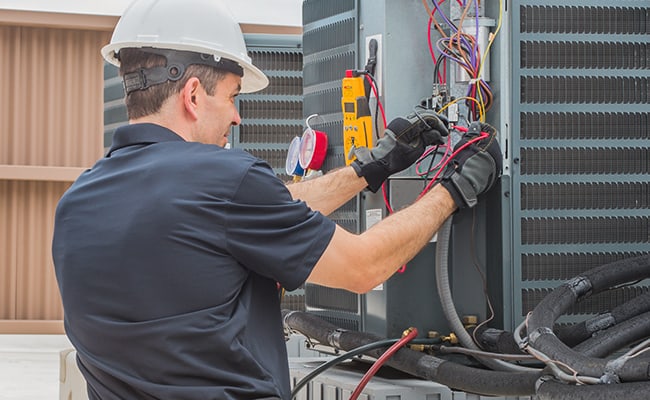
From there, the technician moves outside to the condenser unit—the part of your system that releases heat to the outside air.
They typically:
- Inspect the Coil
- Check for dirt, leaves, and debris lodged in the fins
- Recommend cleaning if the coil is blocked or heavily soiled
- Check for dirt, leaves, and debris lodged in the fins
- Check the Fan and Motor
- Confirm the fan spins smoothly without wobbling or grinding noises
- Look for signs of wear on the motor or fan blades
- Confirm the fan spins smoothly without wobbling or grinding noises
- Review Electrical Components
- Inspect contactors, capacitors, and accessible wiring
- Note any signs of overheating, corrosion, or wear
- Inspect contactors, capacitors, and accessible wiring
- Verify Airflow Around the Unit
- Make sure there’s enough clearance from walls, fences, plants, and stored items
- Make sure there’s enough clearance from walls, fences, plants, and stored items
A dirty or blocked outdoor unit is a common reason systems struggle in summer and a frequent cause of unnecessary hvac repair los angeles ca calls when the load is highest.
Step 4: Refrigerant, Electrical, and Safety Checks
Once the basic visual inspection is done, it’s time for more detailed system checks.
Depending on your equipment and service plan, the technician may:
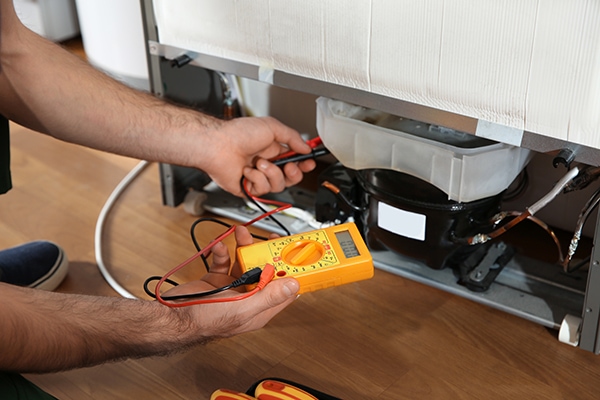
- Measure refrigerant pressures and temperatures
- Compare readings to manufacturer guidelines
- Check capacitors and other components that help motors start and run
- Verify that safety devices and controls are functioning
These tests can reveal:
- Undercharged or overcharged refrigerant conditions
- Electrical components that are weak and likely to fail soon
- Conditions that, if ignored, could become a no-cool situation requiring full air conditioning repair los angeles ca service later
Step 5: System Performance Testing
After inspections and any basic adjustments or cleaning, the technician runs the system to verify real-world performance.
This can include:
- Measuring the temperature difference between supply air (coming out of vents) and return air (going into the system)
- Listening for unusual noises during start-up and operation
- Checking that air is reaching key rooms at expected levels
- Observing the outdoor unit as it runs under normal load
The goal is to make sure the system isn’t just “on,” but operating within a healthy range for your home and equipment type.
Step 6: Review, Recommendations, and Next Steps
At the end of a tune-up, you should expect a clear summary—not just “everything looks fine.”
A professional hvac service technician will typically:
- Explain the overall condition of your system
- Point out any wear-and-tear parts that may need attention soon
- Review anything that was cleaned, adjusted, or corrected during the visit
- Suggest a filter change schedule that fits how you use your home
- Offer options if they found items that go beyond basic hvac maintenance services and require separate hvac repair los angeles ca work
If your system is very old or operating far below expected performance, the technician may also discuss long-term planning—so you’re not surprised by major decisions in the hottest part of the year.
How a Tune-Up Helps You Avoid Emergency HVAC Calls
Regular hvac maintenance los angeles ca is about more than checking a box; it’s one of your best tools for avoiding last-minute crises.
A proper tune-up helps:
- Catch weak components before they fail
- Prevent small issues (like dirty coils or drains) from becoming big ones
- Keep refrigerant levels and airflows where they should be
- Reduce stress on motors, compressors, and fans
Homeowners who skip maintenance are far more likely to run into sudden failures during heat waves, when both you and local contractors are under the most pressure. That’s when 24/7 hvac repair los angeles ca or emergency visits become necessary—often at the worst possible moment.
By contrast, a system that’s inspected, cleaned, and tested at least once a year is more likely to:
- Start reliably on the first hot day
- Cool evenly across the home
- Use less energy to provide the same comfort
How Often Should You Schedule a Tune-Up in Los Angeles?
For most homes, a practical guideline is:
- At least once per year for cooling-focused maintenance
- Twice per year if your system is older, heavily used, or if anyone in the home is sensitive to temperature or air quality issues
These visits are often set up as recurring hvac maintenance services—so you don’t have to remember to schedule them right before each summer.
What This Means for Your Home
A professional HVAC tune-up in Los Angeles is not just a quick glance at your equipment. It’s a structured service that includes:
- Thermostat and control checks
- Indoor and outdoor unit inspection
- Filter, airflow, and coil review
- Refrigerant and electrical testing
- System performance measurement
- Clear communication about condition and next steps
Combined with your own simple habits (filter changes, keeping units clear, watching for changes in performance), consistent hvac services los angeles help your equipment last longer, run more efficiently, and stay ready when LA’s heat really arrives—without as many surprise air conditioning repair los angeles ca calls in the middle of the season.