If you’re replacing your air conditioner or installing one for the first time, one of the most important questions is also the easiest to get wrong: What size AC do you need in Los Angeles? In LA, choosing the correct size can mean the difference between a comfortable home and a system that runs nonstop, wastes energy, and breaks down during peak summer heat.
Many homeowners assume “bigger is better,” or they choose an AC based only on square footage. But LA homes vary widely—coastal vs valley temperatures, older insulation, sun exposure, high ceilings, and duct conditions all change what your home actually needs.
This guide explains what AC “size” really means, why correct sizing matters, the signs your current system is the wrong size, and what a professional should do during AC installation Los Angeles CA to ensure you get the right fit. If you want reliable results, working with an experienced HVAC company Los Angeles CA and trained hvac service technician is essential.
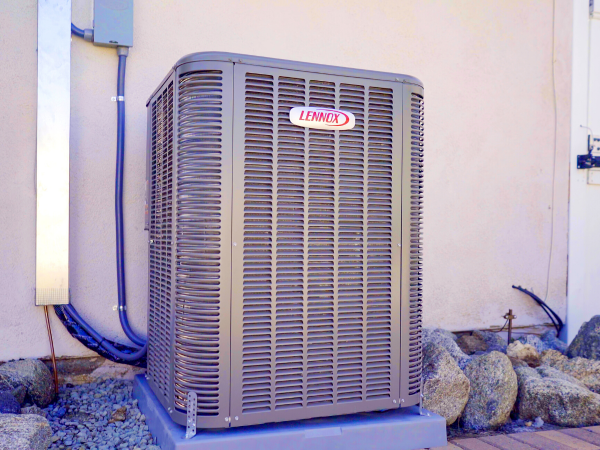
What Does “AC Size” Mean?
AC size refers to cooling capacity, not the physical size of the unit. Cooling capacity is measured in:
- BTU (British Thermal Units) per hour
- Or tons, where 1 ton = 12,000 BTU/hour
Most homes typically fall somewhere between 1.5 to 5 tons, but the right number depends on many factors beyond square footage.
The goal of proper sizing is simple:
- cool your home efficiently,
- maintain steady comfort,
- and remove humidity properly (yes, even in LA).
Why Correct AC Sizing Matters in Los Angeles
Los Angeles has unique conditions that impact sizing:
- Heat spikes and heat waves (especially inland)
- Marine layer humidity near coastal areas
- Older homes with less insulation and air leaks
- Big west-facing windows that bake your home in afternoon sun
- Different construction styles (apartments, bungalows, multi-story homes)
Because of this, two homes with the same square footage can require different AC sizes. That’s why a reliable hvac installation service should never size your unit using square footage alone.
Signs Your AC Is Too Small for Your Home
An undersized AC can technically run, but it won’t keep up on hot days. If your system is too small, you’ll often see:
- AC runs constantly during hot afternoons
- Indoor temperature never reaches your thermostat setting
- Rooms feel hot, especially upstairs or sun-facing rooms
- Cooling improves at night but struggles in daytime
- Electric bills are high because the unit never gets a break
- You feel “cool air” at vents, but the house stays warm overall
A small system is also more likely to wear out faster because it runs long cycles for much of the day.
Signs Your AC Is Too Big (Oversized)
Oversizing is extremely common—especially when someone replaces a system without calculating the home’s actual load. Oversized units can create a different type of discomfort.
Common signs include:
- The AC turns on and off frequently (short cycling)
- The home cools quickly but still feels clammy or humid
- Temperature swings: too cold, then warm again
- Uneven comfort from room to room
- Higher bills even though the AC seems “powerful”
Why this happens: oversized units cool the air too fast and shut off before they run long enough to properly dehumidify and stabilize temperatures. Short cycling also increases wear on parts like capacitors and compressors.
The Biggest Mistake: Choosing AC Size by Square Footage Only
You’ve probably seen rules like “X BTU per square foot.” Those estimates can be wildly inaccurate in Los Angeles because:
- a top-floor condo with full sun exposure behaves differently than a shaded single-story home
- a home with single-pane windows behaves differently than one with modern windows
- leaky ductwork can make a “correct size” system perform like it’s too small
- insulation, ceiling height, and layout change load dramatically
A true professional will use a load calculation (often referred to as a Manual J) to determine the correct size.
What Determines the Right AC Size in Los Angeles?
A proper hvac installation services process includes looking at your home like a “cooling puzzle.” Here are the major factors that affect sizing:
1) Home square footage (starting point only)
Square footage is a baseline, but never the final answer.
2) Insulation and air leaks
Older LA homes may have:
- poor attic insulation
- gaps around doors/windows
- unsealed attic access doors
More leaks = more heat intrusion = more cooling required.
3) Window size, quality, and direction (huge in LA)
Windows are one of the biggest contributors to heat gain.
- West-facing windows can add major afternoon load
- Single-pane windows typically allow more heat gain than double-pane
- Large sliding doors can dramatically raise cooling needs
4) Ceiling height and open floor plans
Higher ceilings increase the amount of air volume you need to cool. Open layouts can also shift load differently than closed-room layouts.
5) Number of occupants and lifestyle
More people in the house adds heat and moisture. Cooking often, running electronics, or using certain appliances during peak heat also increases load.
6) Ductwork condition (central AC systems)
Ducts are often overlooked. Poor ductwork can sabotage performance:
- leaks in attic ducts reduce delivered cooling
- undersized ducts restrict airflow
- blocked returns create pressure issues and uneven cooling
Many “my AC is too small” problems are actually duct or airflow problems a hvac service technician can diagnose.
7) Attic temperature and ventilation
In LA summer, attic temperatures can get extreme. Poor attic ventilation can increase your cooling load dramatically.
8) Your local microclimate
Los Angeles isn’t one uniform climate. Coastal areas often feel different than inland zones. A knowledgeable HVAC company Los Angeles CA will factor in your neighborhood conditions rather than using generic assumptions.
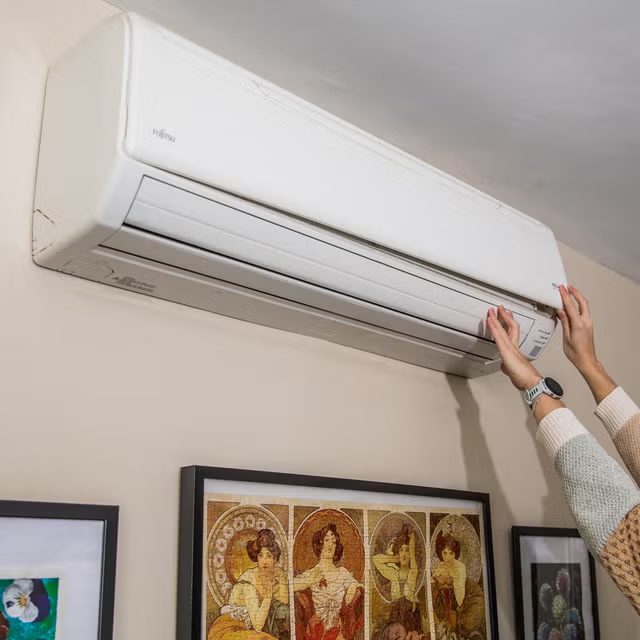
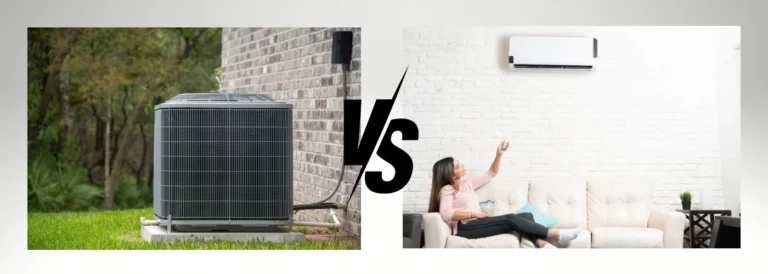
Central AC vs Ductless Mini-Split: Sizing Differences
Central AC
Central systems rely heavily on duct design, airflow balance, and return placement. Correct sizing must include duct evaluation—because if ducts can’t deliver the airflow, even a properly sized unit will underperform.
Ductless mini-splits
Mini-splits are often sized by zone/room, which can be ideal for:
- additions
- upstairs rooms that run hot
- homes without ducts
- homes needing more control by room
A technician can advise whether central or ductless makes more sense for your layout and comfort goals.
What a Professional AC Installation in Los Angeles CA Should Include
A quality AC installation Los Angeles CA should be more than “swap the old unit for a new one.” A trustworthy installer typically:
- performs a home assessment and load calculation
- checks insulation and major heat gain areas
- inspects ductwork and airflow (for central systems)
- verifies electrical and breaker compatibility
- installs the correctly sized equipment (not “close enough”)
- tests system performance after installation
- checks temperature split, airflow, and thermostat function
- ensures correct refrigerant charge and safe operation
Red flags to watch for
Be cautious if someone:
- recommends tonnage without measuring your home
- insists “same size as before” is always correct
- skips duct inspection entirely
- quotes quickly without asking about sun exposure, insulation, or comfort issues
That’s where homeowners often end up with sizing problems.
“Do I Need a Bigger AC?” (Sometimes It’s a Repair Issue)
Before you assume replacement is needed, consider that poor performance can be caused by repairable issues like:
- dirty coils
- clogged filters
- low refrigerant (often from a leak)
- weak capacitors
- failing fan motors
- duct leaks or airflow imbalance
- thermostat problems
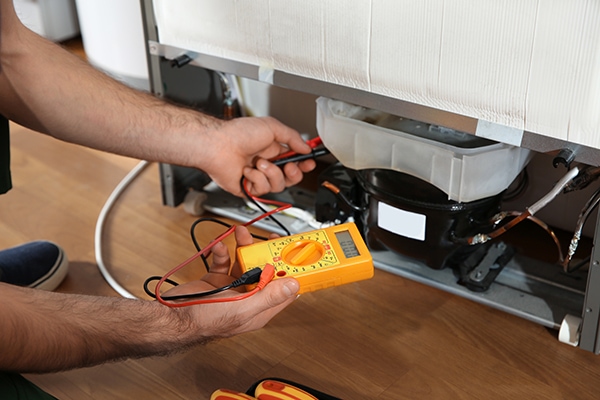
A skilled hvac service technician can diagnose these issues and tell you whether your unit is truly undersized—or just not operating correctly.
When It’s Time to Call an HVAC Company in Los Angeles CA
If you’re planning an install or replacement, or you suspect your current AC is the wrong size, contact an experienced HVAC company Los Angeles CA if:
- your home never reaches set temperature on hot days
- you experience frequent short cycling
- your home feels cool but humid/clammy
- rooms cool unevenly (hot spots persist)
- your energy bill keeps climbing
Correct sizing is one of the best long-term decisions you can make because it impacts comfort, cost, and reliability for years.
The Takeaway: Don’t Guess—Get the Right Size for Real LA Conditions
In Los Angeles, the “right” AC size depends on more than square footage. Your insulation, windows, ductwork, ceiling height, and microclimate all matter. A properly sized system cools efficiently, runs in stable cycles, and keeps comfort consistent—even during heat waves.
If you’re ready for professional hvac installation services or want guidance from a trusted hvac installation service, schedule an evaluation with an HVAC company Los Angeles CA that performs real load calculations and checks airflow. That’s the safest path to a smooth, reliable AC installation Los Angeles CA.