Seeing water near your indoor HVAC unit is never something to ignore—especially in Los Angeles where AC systems run hard for months. A small drip can turn into ceiling stains, warped floors, moldy smells, and expensive repairs if it’s caused by a clogged drain line or an overflowing drain pan.
At Kay’s Repairs and Installations, HVAC water leaks are a common reason homeowners call for ac repair los angeles ca—and most of the time the cause is preventable with the right maintenance and early warning signs.
This guide explains where the water comes from, what the most common leak causes are in LA, and what to do immediately to protect your home.
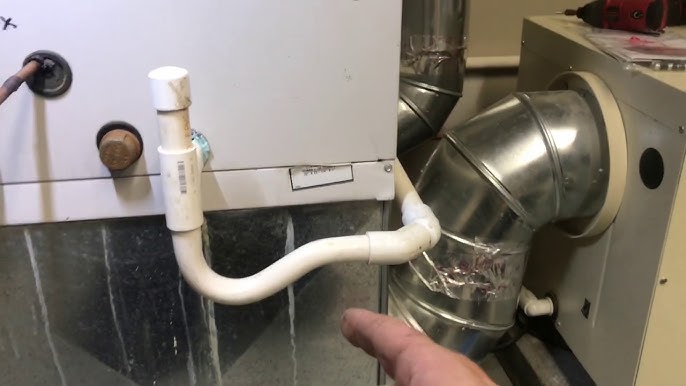
Why HVAC Water Leaks Are Common in Los Angeles
LA summers mean long run times, and long run times mean more condensation. Your AC doesn’t just cool the air—it also pulls moisture out of it. That moisture must drain away safely through a condensate line.
Leaks become more common when:
- Filters and coils get dusty (restricted airflow causes extra moisture/icing)
- Drain lines clog from sludge or algae buildup
- Units sit in closets or tight spaces where issues go unnoticed
- Maintenance gets skipped for multiple seasons
Even a “small” leak can cause major damage if it’s above a ceiling, inside a wall, or near flooring.
Where the Water Comes From (Simple Explanation)
When warm air passes over your cold evaporator coil, moisture in the air condenses—just like water on a cold drink glass.
That water should flow into:
- A drain pan under the indoor coil
- A condensate drain line that carries the water out of your home
If the drain line clogs or the pan overflows, water backs up and leaks into your home.
Drain Line Clog Warning Signs (Don’t Miss These)
A clogged condensate drain line is one of the most common causes of HVAC leaks in LA. Watch for:
- Water pooling near the indoor unit
- Musty smell coming from vents or the closet the unit is in
- Dripping sounds or gurgling near the drain area
- AC shutting off randomly (many systems have a float switch that turns off the unit to prevent overflow)
- Humidity feels worse even though the AC is running
If your AC is shutting off and you see water, it’s time to stop running it and call for ac repair service los angeles before the leak spreads.
Overflow Pan and Secondary Drain: What LA Homeowners Should Know
Many systems have a secondary safety setup:
- A primary drain pan under the coil (normal drainage)
- A secondary/overflow pan (backup protection) or a secondary drain line
If you see water in an overflow pan, that usually means:
- The primary drain is clogged, disconnected, or not draining properly
This is a serious warning sign because the backup pan is not designed to hold water long-term. When it overflows, ceiling damage and mold risk increase quickly.
Common LA Causes of HVAC Water Leaks
Here are the most frequent causes we see in Los Angeles homes:
1) Clogged condensate drain line
Sludge, algae, dust, and debris can clog the drain line over time. Once blocked, water backs up into the pan and spills over.
2) Dirty evaporator coil creating excess condensation
A dirty coil can restrict airflow and create uneven temperatures on the coil surface. That can lead to heavier condensation and, in some cases, ice buildup that later melts into an overflow. This is where hvac cleaning experts help—coil cleaning is often the difference between a recurring leak and a stable system.
3) Dirty air filter causing freezing and melt overflow
A clogged filter reduces airflow. Reduced airflow can cause the coil to get too cold and freeze. When that ice melts, the pan can overflow fast—especially if the drain line is already partially blocked.
4) Unlevel air handler or poor installation
If the indoor unit isn’t level, water may not flow correctly into the drain outlet and can spill over the pan edge.
5) Cracked pan or disconnected drain line
Older drain pans can rust or crack. Drain lines can also separate at a joint or become damaged, causing water to leak even when the line isn’t clogged.
What To Do Immediately (Damage Control Steps)
If you notice a leak, here’s what to do right away:
- Turn OFF cooling at the thermostat
- Turn OFF the system if water is actively leaking near electrical components
- Check the air filter and replace it if it’s dirty
- Dry the area and protect flooring with towels or a container
- If you see ice on the refrigerant line or indoor unit, keep the system off and allow it to thaw
If water is coming through a ceiling, the leak is heavy, or you’re worried about electrical safety, call emergency ac repair los angeles.
DIY Checks LA Homeowners Can Try (Safe Only)
You can do a few safe checks without opening panels:
- Confirm the air filter isn’t clogged
- Look for obvious water buildup around the indoor unit
- If you can see the drain line outlet (outside), check if it’s dripping while the AC runs (if safe to observe)
- Look for signs of freezing (ice, frost, very weak airflow)
If the leak is recurring or severe, don’t keep experimenting—water damage can get expensive fast.
When to Call a Pro (Don’t Wait)
Call for ac repair in los angeles ca if you notice:
- Ceiling stains or bubbling paint
- Water continues returning after you shut the AC off and restart later
- Your AC keeps shutting off (possible float switch activation)
- Musty odor that won’t go away
- Weak cooling along with water (could be freezing/refrigerant/airflow issues)
A technician can stop the leak, prevent further damage, and make sure the system is draining correctly.
What a Technician Will Do
A proper service visit usually includes:
- Clearing and flushing the condensate drain line
- Inspecting the drain pan and checking for cracks or rust
- Confirming the drain line slope and connections
- Checking or replacing the float switch if needed
- Inspecting the evaporator coil and airflow
- Recommending coil cleaning if buildup is causing recurring issues
These steps are often included in routine hvac tune up los angeles service, which is why tune-ups reduce leak emergencies.
Preventing HVAC Leaks in Los Angeles
Most drain line and overflow issues are preventable with consistent care:
- Replace filters on schedule (more often with dust/pets)
- Schedule hvac maintenance in los angeles before peak summer
- Keep the coil clean (professional cleaning when needed)
- Ask for drain line inspection/flush during your hvac tune up los angeles
- Don’t ignore musty smells or small puddles—they’re early warnings