Los Angeles may not have the harsh winters of other states, but chilly mornings, coastal cold, and winter nights still make reliable heating important. If your heater is struggling—or you’re considering an upgrade—you’ve probably asked the big question: Should I choose a heat pump or a furnace in Los Angeles?
This guide compares heat pumps vs furnaces in a simple, practical way so you can make the best decision for comfort, energy costs, and long-term value. And if your current system isn’t working right, we’ll also cover when it’s time to call for heating repair Los Angeles CA or consider furnace replacement Los Angeles CA.
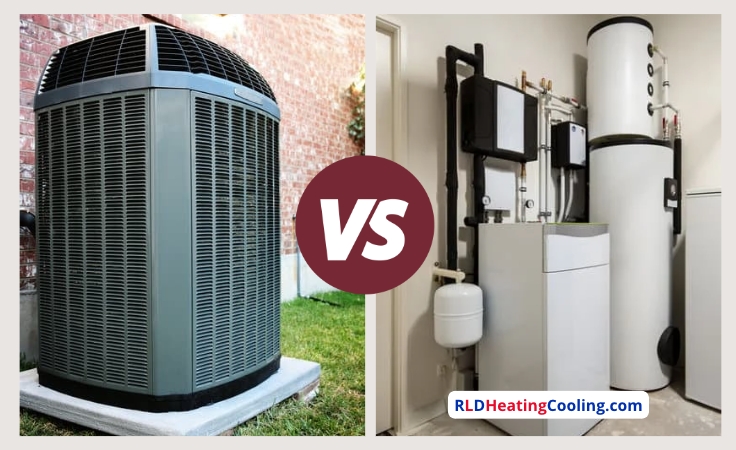
Quick Definitions: What’s the Difference?
What is a heat pump?
A heat pump doesn’t “create” heat the way a furnace does. It moves heat from outside air into your home (even when it feels cold). In summer, it reverses and works like an air conditioner.
One system for both heating and cooling.
What is a furnace?
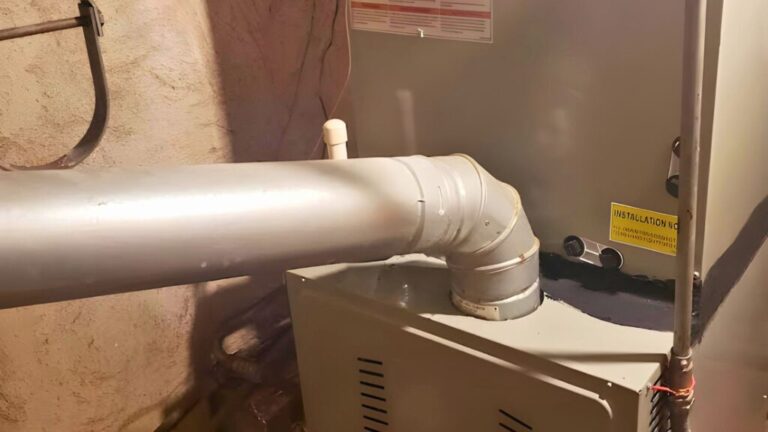
A furnace creates heat by burning fuel (gas) or using electricity, then blows warmed air through ducts.
Heating only (you’ll still need AC separately).
Why This Matters in Los Angeles Specifically
LA heating needs are different from places with snow and weeks of freezing temperatures. In most LA neighborhoods, winters are mild enough that efficiency and year-round comfort matter more than extreme heating power.
That’s why heat pumps often make sense in Los Angeles—but not always. Your home layout, insulation, existing ductwork, and energy costs can tip the decision either way.
Heat Pump Pros for Los Angeles Homes
1) Energy efficiency in mild winters
Heat pumps are generally very efficient when outdoor temperatures are moderate—exactly what LA winters typically are.
2) Heating + cooling in one system
A heat pump can replace both your furnace and AC, depending on your setup. That can simplify maintenance and upgrades.
3) Comfort: steady, even heat
Heat pumps often produce a more consistent indoor temperature rather than the “blast of hot air” you get with a furnace.
4) Good option for many ductless installations
If your home doesn’t have ducts, mini-split heat pumps can be a strong solution.
Heat Pump Cons (What LA Homeowners Should Know)
1) Upfront installation cost can be higher
Depending on your home and equipment needs, a heat pump may cost more upfront than a basic furnace.
2) Heat feels “less hot” than a furnace
Heat pumps warm your home steadily, but the air coming from vents may feel less hot than furnace air. Some people interpret that as “not working,” even though it is.
3) Older homes may need duct upgrades
If your ductwork is leaky or undersized, heat pump performance can suffer. This is where proper hvac installation service makes a huge difference.
Furnace Pros for Los Angeles
1) Strong heating performance
A furnace delivers very warm air quickly—useful for people who like “hot heat” first thing in the morning or in colder inland areas.
2) Often cheaper to replace (if you already have gas + ducts)
If you already have a furnace setup, a straightforward furnace replacement Los Angeles CA can be simpler and sometimes lower-cost than switching to a different system type.
3) Familiar and simple for many homeowners
Many LA homes have traditional forced-air furnaces and homeowners are used to how they behave.
Furnace Cons (Especially in Mild LA Winters)
1) Heating-only system
You’ll still need a separate AC system for summer cooling.
2) Can create temperature swings
Furnaces tend to cycle on/off, which can create “hot then cool” temperature changes.
3) Older furnaces can become inefficient
If your furnace is old, it may run longer and cost more than necessary—even in a mild climate.
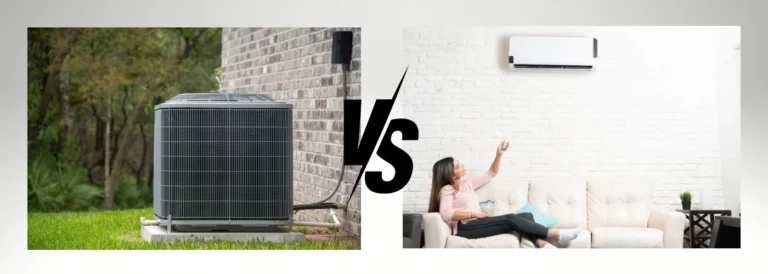
Heat Pump vs Furnace: Which Is Better for Los Angeles?
Here’s the simple way to decide:
A heat pump is often best if:
- you want both heating and cooling in one system
- your winters are mild (most of LA)
- you want energy-efficient operation year-round
- you’re replacing both AC + furnace anyway
- you’re open to ductless mini-split options
A furnace may be best if:
- you already have a gas furnace and want a straightforward swap
- you prefer very warm air quickly
- your home needs strong heating (certain inland areas or drafty homes)
- you plan to keep your existing AC system separate
Signs You Need Heating Repair in Los Angeles CA (Heat Pump or Furnace)
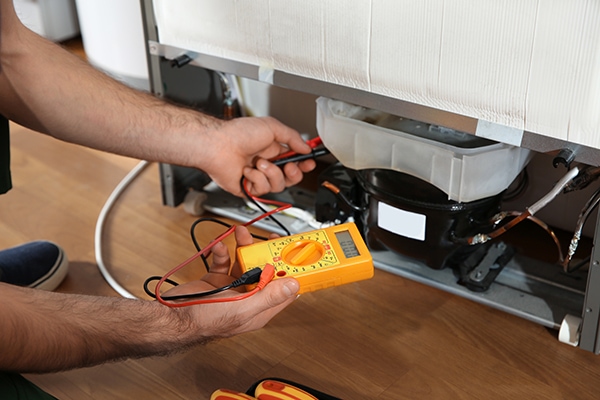
No matter what system you have, call for heating repair Los Angeles CA if you notice:
- heater blows cold or lukewarm air
- system turns on and off repeatedly (short cycling)
- strange smells or burning odors
- unusual noises (banging, grinding, buzzing)
- weak airflow or uneven room temperatures
- thermostat issues (won’t hold temperature)
- rising bills without more usage
Early repair can prevent a full breakdown and reduce the chance you’ll need emergency replacement during cold nights.
When It’s Time to Consider Furnace Replacement in Los Angeles CA
Sometimes repair isn’t the best investment—especially if the furnace is old or failing repeatedly.
Common signs you may need furnace replacement Los Angeles CA:
- frequent repairs in the last 1–2 years
- heating is inconsistent and comfort is poor
- unit is noisy, rusty, or producing odd odors
- your energy bills keep climbing
- your system struggles to heat even on mild LA nights
A technician can help you compare repair cost vs replacement value.
Installation Matters More Than Most People Think
Even the “best” system will perform poorly if it’s installed incorrectly.
A quality hvac installation service includes:
- correct system sizing (too big or too small wastes money)
- duct inspection and airflow balancing
- thermostat placement and calibration
- proper refrigerant setup (for heat pumps)
- testing performance, not just “turning it on”
Good installation protects comfort, efficiency, and equipment lifespan.
Residential and Commercial Considerations
- Residential: Comfort and energy savings usually lead the decision. Heat pumps are often attractive if you want one system for heating + cooling.
- Commercial / For business: Equipment size, zoning, building usage hours, and long-term operating cost matter most. Many businesses choose solutions based on efficiency and reliability over time.
A licensed technician can recommend the best setup based on your building and usage.