In Los Angeles apartment buildings, laundry problems don’t stay quiet for long.
One washer stops mid-cycle, one dryer takes three rounds to dry a load – and suddenly you’ve got a stream of texts from unhappy tenants.
Shared laundry rooms, in-unit stackables, tight closets and heavy usage all mean the equipment in rentals works harder than in a single-family home. Understanding the most common issues – and what you can realistically check before calling a technician – can save time, money, and headaches.
This guide is written for landlords and building managers who rely on washer dryer repair los angeles ca services regularly and want a clearer picture of what’s really going on with their machines.
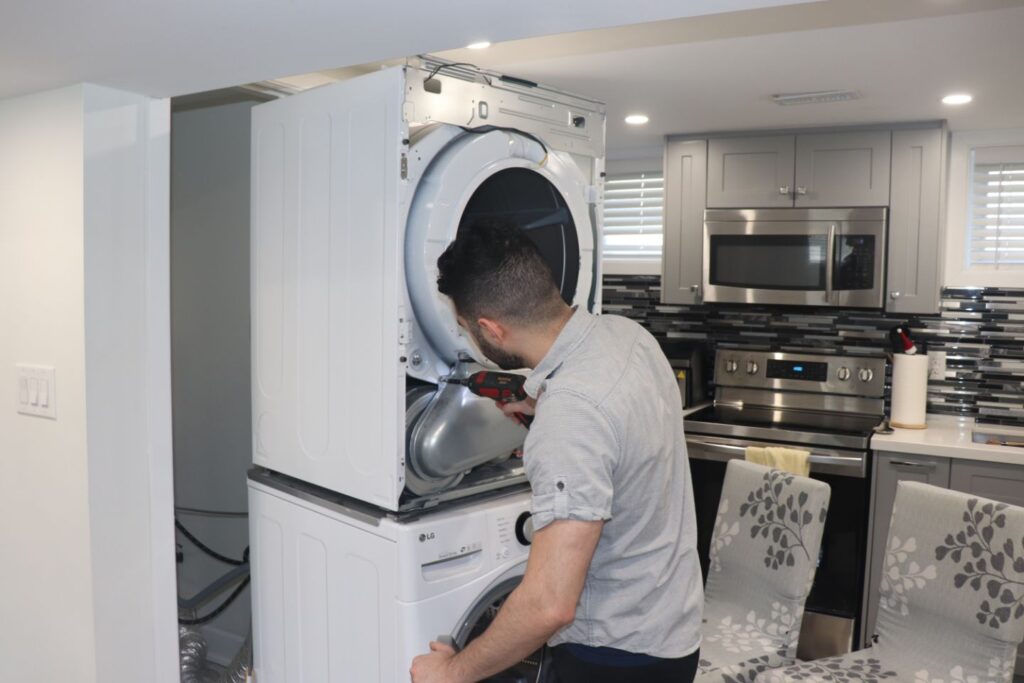
Why Laundry Problems Hit Harder in LA Apartment Buildings
Compared with a single-family home, apartment laundry equipment usually:
- Runs more loads per day
- Is shared by multiple households
- Lives in cramped closets or small laundry rooms
- Gets a mix of careful and not-so-careful users
All that adds up to:
- Faster wear on mechanical parts
- More chances for misuse (overloading, wrong settings)
- Greater impact when a machine goes down (multiple tenants affected)
Because of that, multi-unit property owners often treat reliable appliance repair los angeles ca and basic preventative care as part of normal building operations, not just an emergency plan.
1. Washer Won’t Drain or Spin
Typical complaint:
“Clothes are still soaked after the cycle.”
In apartment buildings, this is one of the most common issues.
Likely causes include:
- Clogged drain pump or filter (coins, hairpins, lint, small items)
- Kinked, blocked or improperly installed drain hose
- Overloaded drum that strains the motor and prevents proper spin
What a landlord or manager can reasonably check:
- Confirm the machine is not drastically overloaded when the tenant runs it
- Inspect the drain hose at the back for obvious kinks or pinches
- Check if the manufacturer provides an accessible, user-cleanable pump filter (on some front-loaders)
If these basic checks don’t resolve it – especially if multiple tenants report the same problem – it’s usually time to involve home appliance repair los angeles ca rather than repeatedly trying to “reset” the unit.
2. Excessive Vibration, Noise or “Walking” Washers
Typical complaint:
“The washer is banging like crazy” or “It’s moving across the floor.”
In apartment buildings, this isn’t just annoying; it can disturb neighbors below and beside the unit.
Common reasons:
- Unit not level or feet not adjusted properly
- Wood or weak flooring amplifying vibration
- Tenants consistently overloading the drum
- Worn shocks/suspension in front-load washers
Practical steps before calling a technician:
- Verify the shipping bolts were removed on newer installs (if applicable)
- Check that the washer feet are all in contact with the floor and adjust if needed
- Ask tenants to run smaller loads and see if the problem improves
If the washer is level and loads are reasonable but the machine still slams or walks, there’s a good chance internal components are worn. At that stage, professional washer dryer repair los angeles ca is usually needed to prevent damage to the unit and to the building.
3. Dryers Not Heating or Taking Too Long to Dry
Typical complaint:
“Dryer runs, but clothes are still damp after one cycle.”
In multi-unit buildings this often points to airflow problems rather than the dryer itself.
Possible causes:
- Lint buildup in the vent duct, especially on long/complicated runs
- Crushed or poorly routed flex duct behind the machine
- Outside vent hood jammed or blocked
- Failed heating element, thermostat, or moisture sensor
Landlord checks that are often worth doing:
- Make sure the lint screen is being used and cleaned between loads
- Inspect the vent path where visible (behind the dryer, accessible sections of duct)
- Arrange periodic professional vent cleaning for the building
When proper vent cleaning and basic checks don’t fix slow drying, it’s usually time for appliance repair los angeles technicians to test the heater, thermostats, and airflow internally. This is especially important because poor venting and overheating create a fire risk.
4. Dryer Safety Issues: Overheating, Burning Smell, or Tripped Breakers
Some dryer problems go beyond inconvenience and fall into the “shut it down now” category.
Red-flag symptoms include:
- Strong burning or scorched smell during or after use
- Dryer cabinet or door extremely hot to the touch
- Breaker tripping repeatedly when the dryer is running
- Visible scorch marks near the outlet, plug or vent area
These situations should be treated as safety issues, not simple maintenance.
- Tenants should be told to stop using the machine immediately.
- Power to the unit may need to be shut off until it’s inspected.
In these cases, landlords often skip the DIY stage entirely and request urgent or even emergency appliance repair los angeles ca so a professional can inspect wiring, heating components, and venting before the dryer is put back into service.
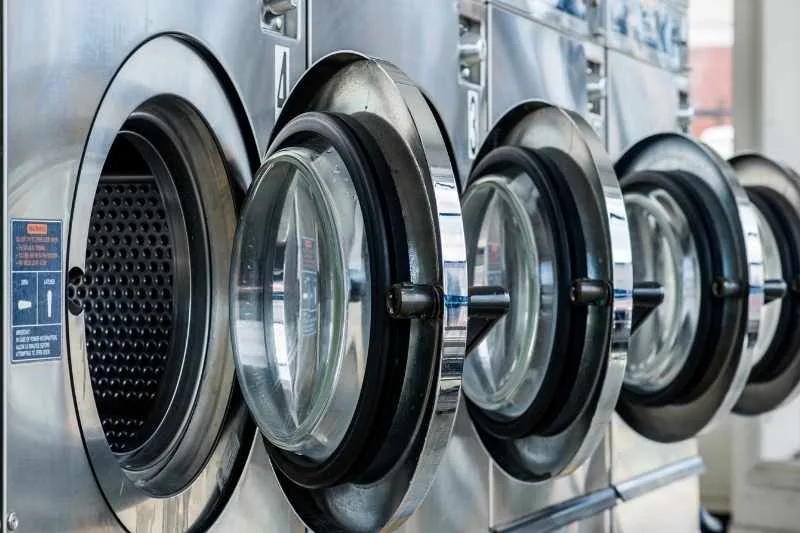
5. Stackable Laundry Units in Tight Closets
In many LA apartments, laundry means a stackable washer/dryer shoved into a small closet. These setups create their own category of problems:
- Limited working space for tenants and technicians
- Bending or crushing of hoses and vent ducts behind the unit
- Increased noise and vibration due to tight enclosures
- Difficult access for simple checks (like clearing clogs or adjusting feet)
Because of this, stackable units are a frequent source of appliance repair los angeles ca calls. Many issues that are easy to deal with on a side-by-side setup are much more complicated when the unit is stacked and boxed into a closet.
For landlords, it helps to assume these units will need more frequent attention and to plan access (and scheduling) with that in mind.
6. Tenant Misuse vs Genuine Mechanical Problems
Not every complaint indicates a real fault with the machine. Some issues come down to how tenants are using the equipment.
Common misuse patterns:
- Overloading washers or dryers with too many items
- Using the wrong detergent (like non-HE soap in HE machines)
- Ignoring load balance warnings or errors
- Never cleaning lint screens or leaving coins and small objects in pockets
A simple checklist posted in laundry rooms or included in move-in materials can reduce unnecessary service calls. It can cover:
- Maximum load sizes
- Proper detergent type and amount
- Reminders to empty pockets and clean lint screens
However, if the same unit continues to cause trouble despite clear instructions and multiple tenants using it, that usually points to a mechanical or electrical problem. At that point, repeated complaints are often a sign it’s time for local appliance repair los angeles ca, not just another warning notice.
7. Preventive Steps Landlords Can Take
Landlords can reduce downtime and extend equipment life with a few proactive moves:
- Schedule regular vent cleaning for all shared or long dryer ducts
- Inspect hoses and connections periodically for leaks, kinks or visible wear
- Provide clear signage in laundry areas with basic do’s and don’ts
- Keep basic details on file (brand, model, approximate age) for each unit to streamline service requests
Good preventative habits don’t eliminate the need for home appliance repair los angeles ca, but they often reduce how often equipment fails and how severe the failures are.
8. When to Call a Professional Instead of “Trying One More Thing”
As a landlord or building manager, it’s natural to want to resolve minor problems yourself. But there are clear situations where a technician is the better choice:
- Persistent drainage or spin issues after basic checks
- Repeated tripping breakers, burning smells, or signs of overheating
- Ongoing vibration and noise despite leveling and load adjustments
- Water leaks that keep returning
- Tenants reporting shocks, sparks, or unusual electrical behavior
At that point, continued trial-and-error is more likely to damage equipment or create risk than to save money. Having a relationship with a reliable appliance repair los angeles ca provider makes it easier to transition from “we’ll take a look” to “we’ll have a professional inspect it” without long delays.
In buildings where tenants rely heavily on shared or in-unit laundry, some owners also plan ahead for same day appliance repair los angeles ca options when key machines fail, especially in high-occupancy properties.
Practical Takeaway for LA Landlords
Washer and dryer problems in apartment buildings are inevitable, but how they’re handled makes a big difference in tenant satisfaction and long-term costs.
- Simple things like overloading, blocked vents, and loose leveling feet can sometimes be handled in-house.
- Persistent or safety-related issues are better handled by washer dryer repair los angeles ca professionals with the tools and experience to fix the real cause, not just the symptom.
- A mix of clear tenant guidelines, preventative checks, and access to local appliance repair los angeles ca support creates a smoother system for everyone involved.
Understanding which side of that line a problem falls on helps landlords protect their property, keep tenants happy, and avoid turning every laundry complaint into an emergency.