If your air conditioner suddenly can’t keep up, blows warm air, or runs nonstop during a Los Angeles heat wave, you might hear someone say, “You just need a recharge.” But here’s the truth: your AC doesn’t “use up” refrigerant. So if refrigerant is low, it usually means one thing—there’s a leak.
Refrigerant leaks are one of the most common reasons people book air conditioning repair Los Angeles CA, especially when temperatures climb and systems are running hard. The sooner a leak is diagnosed, the better your chances of avoiding major damage (like compressor failure) and restoring efficient cooling.
This guide explains what refrigerant does, the most common leak symptoms, what causes leaks, and the repair options a professional HVAC repair Los Angeles CA technician may recommend—plus what you can do immediately while you wait for service.
What Is Refrigerant and Why Does It Matter?
Refrigerant is the special fluid that circulates through your AC system. It absorbs heat from inside your home and releases that heat outdoors. It’s what makes cooling possible.
A key point: refrigerant is not fuel. Your system should maintain the same refrigerant level year after year. If it’s low, it usually means refrigerant is escaping somewhere in the sealed system.
So when your AC is underperforming, the real question isn’t “How much refrigerant do I need?”—it’s “Where is it leaking and why?”
The Most Common Symptoms of a Refrigerant Leak
Refrigerant leaks can show up in several ways. Sometimes the signs are obvious, and sometimes they look like other HVAC problems (like dirty coils or airflow issues). Here are the most common clues.
1) Warm air or weak cooling from vents
One of the first signs is that your AC runs, but the air coming out feels:
- warm, or
- only slightly cool, or
- cool at first, then weakens over time
Low refrigerant reduces your system’s ability to absorb heat, so the cooling effect drops.
2) The AC runs constantly but never reaches the thermostat setting
A leaking system often struggles to hit your set temperature—especially during LA afternoon heat. You may notice:
- longer run cycles
- higher energy use
- the house staying several degrees warmer than normal
3) Ice on the refrigerant lines or indoor coil
Ice is a major red flag. When refrigerant is low, pressure can drop and the indoor coil can get too cold, leading to freezing.
What you might see:
- ice on the copper line near the indoor unit
- weak airflow from vents
- water around the indoor unit when it melts
If you see ice, it’s smart to stop running the system and schedule air conditioning repair Los Angeles CA.
4) Hissing or bubbling sounds near your HVAC equipment
A leak can produce:
- a hissing sound (refrigerant escaping)
- a bubbling sound (refrigerant moving through a damaged section)
Not every hiss is refrigerant-related, but if it’s coming from the unit and cooling is poor, it’s worth urgent inspection.
5) Higher electricity bills without more usage
When your AC runs longer to achieve the same comfort, it uses more power. If your bill rises sharply and your habits haven’t changed, refrigerant loss (or another efficiency issue) may be the reason.
6) Musty odor + humidity feeling (sometimes)
Low refrigerant can reduce dehumidification performance, making the home feel sticky. However, humidity can also be caused by oversized units, fan settings, or dirty coils—so diagnosis matters.
Is It Bad to Run Your AC With Low Refrigerant?
Yes—it can be.
Running low refrigerant can:
- cause coil freezing (reducing airflow)
- overheat and strain the compressor
- increase wear on the blower motor
- lead to a full system shutdown
The compressor is one of the most expensive components. If you suspect low refrigerant, treating it early with professional HVAC repair Los Angeles CA can prevent bigger costs later.
What Causes Refrigerant Leaks?
Refrigerant leaks don’t happen for no reason. Common causes include:
1) Coil corrosion (very common)
Over time, evaporator coils (indoor) or condenser coils (outdoor) can corrode and develop tiny pinhole leaks. This is a frequent source of slow leaks.
2) Vibration and wear on joints/fittings
HVAC systems vibrate while running. Over years, that vibration can loosen flare fittings or stress connections, especially if installation wasn’t ideal.
3) Service valve or Schrader valve leaks
Small valve leaks can happen at service ports. These are often repairable and less expensive than coil replacements—another reason proper diagnosis matters.
4) Line set issues (refrigerant lines)
Damage, rubbing, or poor insulation on refrigerant lines can create leak points.
5) Poor installation or previous repair problems
Incorrect brazing, improper tightening, or mismatched components can lead to leaks over time.
“Do I Just Need a Recharge?” (The Honest Answer)
A recharge without fixing the leak is usually a temporary patch. You may get cooling back, but you’re likely to face the same problem again—and repeated low-refrigerant operation can damage the compressor.
There are limited situations where “recharge only” might be used as a short-term step (for example, to restore cooling temporarily while waiting for parts), but it’s not a true repair plan.
If you’re searching “hvac repair service near me” in Los Angeles, look for a provider that focuses on diagnosis and leak repair, not just refills.
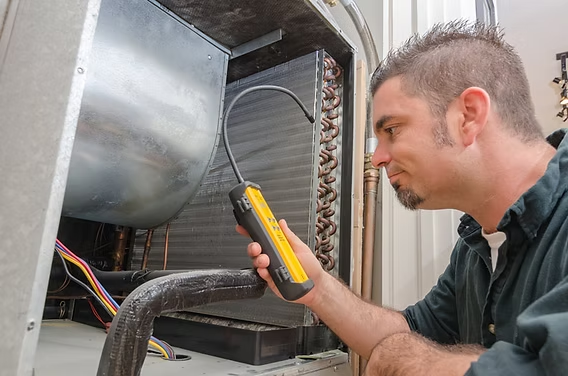
How HVAC Pros Find Refrigerant Leaks
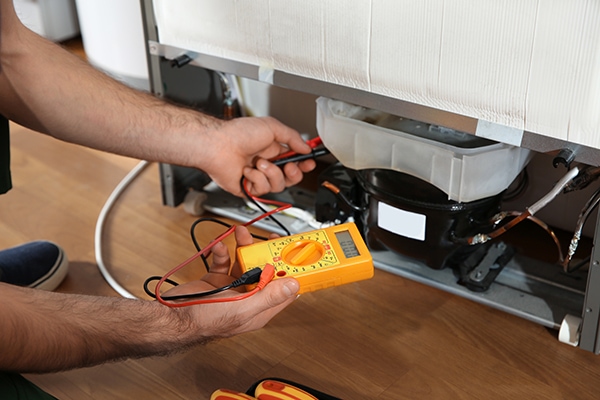
A quality air conditioning repair Los Angeles CA visit typically includes checking system performance and then using appropriate leak detection methods, such as:
- electronic leak detection tools
- soap/bubble tests on accessible joints
- dye testing (in specific cases)
- pressure testing when needed
The best approach depends on the suspected leak location and system condition. The goal is to find the real leak—not guess.
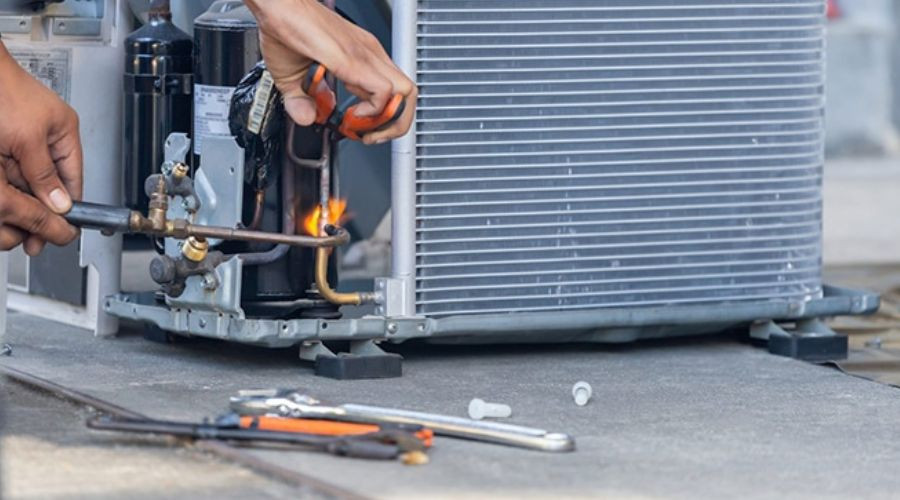
Refrigerant Leak Repair Options (What You Might Be Offered)
Once the leak is located, repair options usually fall into a few categories.
Option 1: Repair the leak + recharge properly (best long-term value when feasible)
If the leak is accessible and repairable, a technician may:
- tighten or replace a fitting
- repair or replace a valve core
- repair a small leak in the line set
- seal a specific connection (when appropriate)
Then the system is recharged to manufacturer specifications and tested for performance.
This is often the best outcome when the system is otherwise in good condition.
Option 2: Replace the leaking component (common for coil leaks)
If the leak is inside a coil and repair is unreliable, replacement may be recommended.
Common replacements include:
- evaporator coil (indoor coil)
- condenser coil (outdoor coil)
- line set (refrigerant lines)
This option can restore performance, but it depends on the age and condition of the system.
Option 3: Consider system replacement (if the system is older or repair is not cost-effective)
If the system is old, has repeated leaks, or requires major expensive repairs, replacement may make more sense financially—especially if efficiency is already declining.
A trustworthy technician should walk you through:
- repair cost vs expected lifespan
- warranty considerations
- comfort and efficiency improvements
What You Can Do Right Now (While Waiting for Service)
If you suspect a refrigerant leak, here are safe steps that can help prevent further damage:
- Check your air filter and replace if dirty (airflow problems can worsen icing)
- If you see ice, turn the system OFF to prevent compressor strain
- Avoid repeatedly lowering the thermostat to “force” cooling
- Keep blinds closed and use fans to stay comfortable
- Schedule professional HVAC repair Los Angeles CA as soon as possible
When to Call for Air Conditioning Repair in Los Angeles CA
Call for service if you notice:
- warm air from vents
- AC running nonstop with weak cooling
- ice on lines or indoor equipment
- hissing/bubbling near the unit
- sudden bill increases
If your home is heating up quickly, it’s reasonable to seek hvac services near me that can respond quickly—especially if you have children, older adults, or anyone with breathing issues at home.
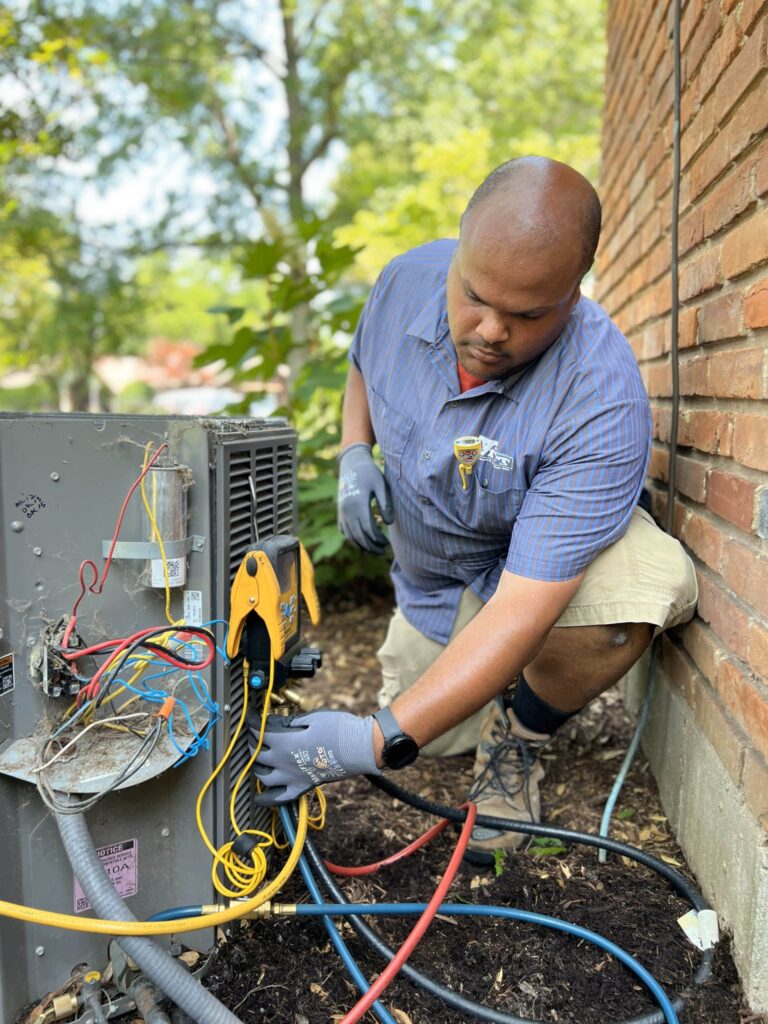
The Bottom Line: Fix the Leak, Don’t Chase the Refrigerant
Low refrigerant is almost always a symptom of a leak—not a normal maintenance issue. The fastest route back to reliable cooling is a proper diagnosis, leak repair (or component replacement when needed), and a correct recharge.
If you’re dealing with low cooling performance and suspect a leak, schedule air conditioning repair Los Angeles CA with a team that can diagnose the real cause and offer clear repair options. If you’re comparing providers, choose the best hvac services near me based on transparency, testing, and proven repair practices—not just quick refills.