When your AC suddenly won’t turn on—or it turns on but doesn’t cool—two common culprits inside the outdoor unit are the capacitor and the contactor. In Los Angeles, these parts often fail during heat waves because the system is working harder and cycling more.
At Kay’s Repairs and Installations, we see capacitor and contactor failures all the time, and the right fix starts with understanding the symptoms. Below is a simple breakdown of what each part does, the warning signs, and what you can safely do before calling a pro.
If you’re dealing with a no-cool situation, this guide will help you respond quickly and avoid bigger damage.
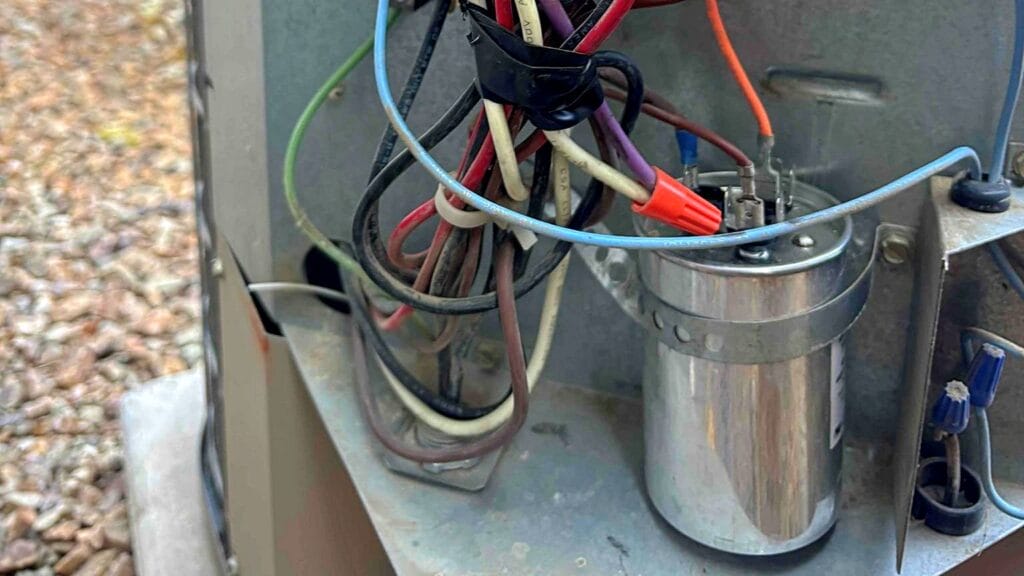
Capacitor vs Contactor: What’s the Difference?
Both parts live in your outdoor AC unit, but they do very different jobs:
- Capacitor: Gives the compressor and/or fan motor the “boost” they need to start and keep running smoothly.
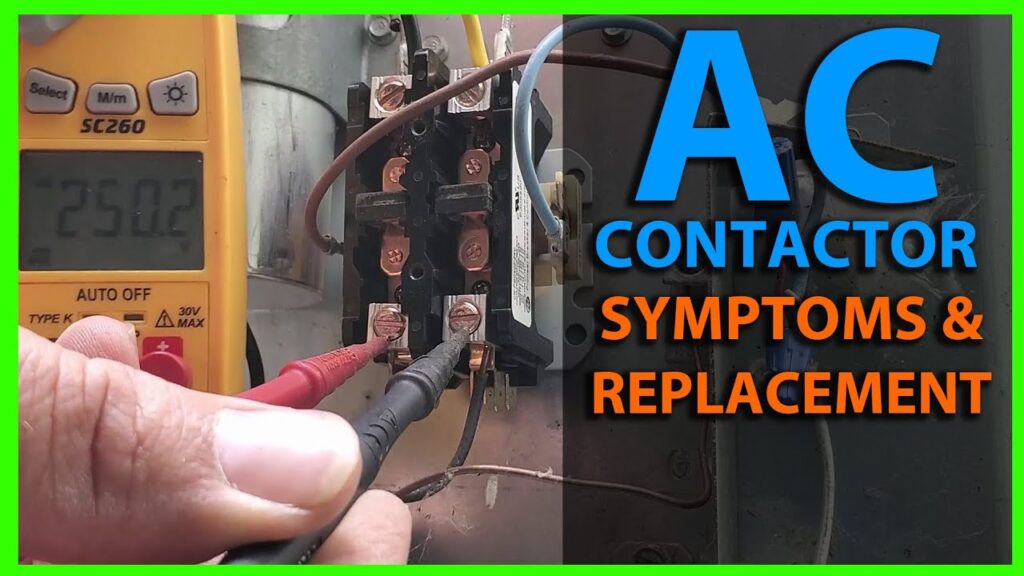
- Contactor: Acts like an electrical switch that connects power to the compressor and fan when your thermostat calls for cooling.
When either part fails, you may end up searching for ac repair los angeles ca because the AC can stop working with little warning.
Symptoms of a Bad AC Capacitor
A failing capacitor often shows up as “the unit wants to start…but can’t.”
Common signs include:
- Outdoor fan not spinning (or it spins slowly)
- Humming sound from the outdoor unit but no real operation
- AC starts sometimes, then struggles other times
- Warm air inside because the compressor/fan can’t run properly
- The system shuts off unexpectedly during cooling
If your AC is doing any of the above, it’s a good idea to stop running it and call ac repair service los angeles. Continuing to force-start a system with a weak capacitor can stress the motor or compressor.
Symptoms of a Bad AC Contactor
A failing contactor often causes inconsistent power delivery—meaning your outdoor unit may not turn on when it should, or it may behave unpredictably.
Common signs include:
- AC won’t turn on at all (especially the outdoor unit)
- Clicking, buzzing, or chattering from the outdoor unit
- AC turns on and off randomly
- Outdoor unit runs at odd times, or appears “stuck on”
- Cooling is intermittent: sometimes cold, sometimes not
These problems can look like a thermostat issue at first, but many times it’s the contactor or related electrical connections. A proper diagnostic for ac repair in los angeles ca will confirm what’s actually failing.
How to Tell the Difference (Without Tools)
You don’t need a meter to notice a few helpful clues:
- Humming + fan not spinning → often a capacitor issue
- Rapid clicking/chattering → often a contactor issue (or control voltage problem)
- Outdoor unit completely dead → could be contactor, breaker/disconnect, or thermostat signal
Even if you suspect one part, don’t guess and replace randomly. These parts are connected to high voltage, and the “same symptom” can have multiple causes.
Safety First: What NOT to Touch
This is important:
- Do not open the outdoor unit panel to “check” the capacitor.
- Capacitors can hold a dangerous charge even after the power is turned off.
- Electrical repairs should be left to licensed HVAC professionals.
If you smell burning, hear loud buzzing, or see signs of overheating, turn the system off and call for help.
What You Can Do Right Now (Safe Steps)
If your AC isn’t starting or isn’t cooling, here are safe steps LA homeowners can try:
- Turn the thermostat OFF
- Turn the AC breaker OFF (or use the outdoor disconnect if you have one)
- Wait 2–3 minutes, then turn the breaker back ON
- Set the thermostat to COOL and lower the temperature by a few degrees
- Listen and observe: does the outdoor unit click, hum, or stay silent?
Also check:
- Is the air filter extremely dirty? (Replace it if needed—this won’t fix a dead capacitor/contactor, but it improves airflow and protects the system.)
- Did the breaker trip repeatedly? (If it trips again, stop trying and call a technician.)
If your home is hot and the system is down, don’t keep restarting it over and over. That can cause more damage.
Why These Parts Fail More Often in Los Angeles
Heat and heavy usage are major factors. During long LA summers:
- AC systems run for extended hours
- Electrical components heat up and wear faster
- Dust and outdoor debris can affect contacts and airflow around components
- Systems may cycle frequently (especially when underserviced)
Routine hvac maintenance in la helps reduce surprise failures because techs can spot weakening parts, worn contacts, and failing electrical connections early.
When This Becomes an Emergency
Call emergency ac repair los angeles if you notice:
- Burning smell near the unit
- Loud buzzing or sparking sounds
- Repeated breaker trips
- Outdoor unit overheating
- No cooling during extreme heat (especially if you have kids, seniors, or health concerns at home)
Fast response matters because electrical problems can worsen quickly.
What a Technician Will Do (And Why It Matters)
A professional HVAC technician will typically:
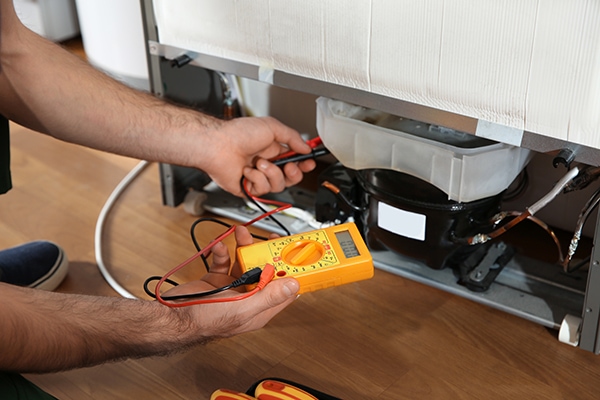
- Test the capacitor and contactor properly
- Check wiring, voltage, and safe connections
- Replace the failed component with the correct rating
- Inspect related parts (fan motor, compressor draw, control board signals)
- Verify normal startup and stable cooling after repair
This is also why seasonal service like hvac tune up los angeles is valuable—it reduces the chance of emergency breakdowns and improves system reliability through summer.