Wildfire smoke can change Los Angeles air quality overnight. Even if the fire is far away, wind can push smoke into LA neighborhoods fast—bringing a strong smell, hazy skies, irritated eyes, coughing, and headaches. Indoors, the problem often feels worse than expected: your home or business can still smell smoky even with doors closed, and your HVAC system may run longer while comfort gets worse.
The good news is that you can do a lot to protect indoor air and reduce strain on your HVAC equipment. The key is having a plan before, during, and after smoke events—and backing that plan up with routine HVAC maintenance Los Angeles CA so your system can filter air effectively without losing airflow.
This guide explains what wildfire smoke does to HVAC systems, what steps you can take immediately, and what to schedule with a professional to keep your air cleaner and your system running safely.
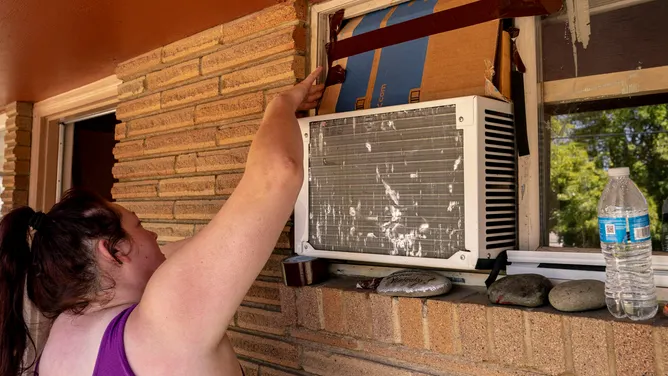
Why Wildfire Smoke Is Tough on HVAC Systems
Wildfire smoke contains extremely fine particles that can slip through gaps in buildings and clog filtration faster than normal dust. Smoke particles can:
- enter through cracks around doors/windows and unsealed attics
- get pulled in through leaky return ducts
- clog HVAC filters quickly (reducing airflow)
- collect on blower components and coils
- reduce system efficiency and increase energy use
- irritate breathing, especially for children, older adults, and people with asthma or allergies
In homes, this means discomfort and poor air quality. In businesses, it can become a safety and productivity issue—especially if you’re responsible for tenants, employees, or customers.
The Main Goal During Smoke Events: Keep Outside Air Out, Filter Inside Air Better
Think of your building like a box. During wildfire smoke, your strategy is:
- Reduce how much smoky air enters the building
- Filter the air you’re circulating as effectively as possible
- Maintain good airflow so your HVAC doesn’t struggle or freeze up
The biggest mistake people make is focusing only on “stronger filters” while ignoring airflow and leakage. If you choke the system with the wrong filter—or your ductwork is pulling smoky attic air—you’ll still struggle.
That’s why planning plus hvac maintenance services makes the biggest difference.
What To Do BEFORE Wildfire Smoke Hits Los Angeles
Preparation is the easiest time to improve indoor air quality. Once smoke arrives, stores often sell out of filters and air purifiers.
1) Replace your HVAC filter early (start clean)
Don’t go into smoke season with a half-used filter. Install a new pleated filter before smoke days begin.
A fresh filter:
- captures more particles
- keeps airflow stronger
- reduces strain on the blower
If you’re not sure what filter type is best for your system, that’s something a technician can confirm during HVAC maintenance Los Angeles CA.
2) Stock extra filters
During smoke events, you may need filter changes more frequently than usual. Having 2–4 extra filters in your home or supply closet helps you respond quickly without waiting.
This is especially important for property managers or business owners.
3) Seal obvious leaks that let smoke in
Smoke sneaks in the same places dust and drafts do. Quick improvements include:
- door weather stripping
- window gaps
- sealing the attic hatch
- sealing gaps around utility lines
Even basic sealing reduces the amount of smoky air your HVAC has to handle.
4) Get your HVAC checked before peak smoke season
A professional hvac maintenance service isn’t just about “tuning up.” In wildfire season, it helps confirm your system can filter effectively.
A technician can identify:
- filter cabinet gaps that allow bypass (air going around the filter)
- return leaks pulling in attic/garage air
- dirty coils/blowers that reduce performance
- airflow restriction that could worsen during smoke days
That’s why scheduling HVAC maintenance Los Angeles CA before smoke season is a practical investment.
What To Do DURING Wildfire Smoke Events
When air quality is poor, focus on controlling indoor air and protecting your system from overload.
1) Keep doors and windows closed as much as possible
Every time you open a door, smoky air can rush in. Reduce long open-door periods, especially during the worst parts of the day.
If you must ventilate (cooking, bathroom use), do it briefly and strategically.
2) Set thermostat fan to AUTO (in most homes)
For many households, AUTO is best during smoke events because the fan only runs when cooling/heating is active.
Fan ON can circulate air constantly, which can:
- spread particles around if filtration is not upgraded
- move odors through the home
- push more air through a filter that may already be clogging
There are exceptions (some systems with enhanced filtration setups do well with longer fan runtimes), but for most homes, AUTO is the safer default.
3) Monitor filter condition and airflow (don’t wait too long)
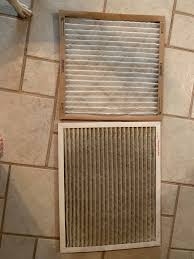
Smoke clogs filters faster. A clogged filter can cause:
- weak airflow
- longer AC runtime
- higher bills
- coil freezing (in cooling mode)
Check your filter more often during smoke days. If it looks darker than normal, or airflow is noticeably weaker, replace it.
4) Avoid creating “negative pressure” that pulls smoke in
Exhaust fans (bathroom/kitchen) and some dryer vents push indoor air out. That outgoing air must be replaced—and if your home isn’t sealed, smoky air can be pulled in through cracks.
During heavy smoke:
- run exhaust fans only when needed
- avoid long, unnecessary exhaust runs
- keep doors/windows closed during operation
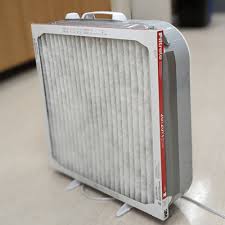
5) Add portable HEPA filtration where it matters most
Your HVAC filter helps, but portable filtration can dramatically improve air quality in the rooms you use most—especially bedrooms.
A portable HEPA unit can reduce the burden on your HVAC system and help you breathe easier during smoke peaks.
If you manage a commercial space, portable filtration can also help protect high-traffic areas while your central system maintains temperature.
6) Create a “clean room” if smoke is severe
If air quality is very poor, choose one room (often a bedroom) and:
- keep the door closed
- run a HEPA filter inside
- minimize door opening
This can be especially helpful for sensitive individuals.
What NOT to Do During Wildfire Smoke
These common mistakes can make things worse:
Don’t use low-quality fiberglass filters
They don’t capture fine particles well. A pleated filter is usually more effective.
Don’t jump to the highest filtration rating without checking airflow
Higher filtration can restrict airflow. If airflow drops too much, you may get:
- poorer comfort
- frozen coils
- higher strain on the blower
A technician can recommend the best filter level for your specific system during hvac maintenance services.
Don’t keep running a struggling system
If your system is:
- making loud noises,
- freezing up,
- tripping breakers,
- or blowing weak airflow,
stop and call for hvac services. Smoke conditions can push a borderline system over the edge.
What To Do AFTER the Smoke Clears
Even after the skies look better, your HVAC system may still be holding smoke particles in the filter and possibly on internal components.
1) Replace the filter again
After a heavy smoke event, replacing the filter is one of the best “reset” steps. It improves airflow and reduces lingering odor.
2) Consider a post-smoke HVAC inspection (especially if smoke was heavy)
If smoke lasted several days, or you noticed performance changes, schedule HVAC maintenance Los Angeles CA so a technician can check:
- coil and blower cleanliness
- airflow performance
- filter sealing
- duct leakage indicators
- odor sources (like dampness in the system)
This helps restore efficiency and prevents long-term buildup.
3) Address persistent smoky odor
If smoke smell lingers indoors long after outdoor air improves, it may mean:
- duct leaks pulling air from attic/garage spaces
- dirty blower/coil components holding particles
- filter bypass due to poor filter fit
A professional evaluation is the fastest way to pinpoint the source.
Commercial Buildings: Wildfire Smoke Planning for Businesses
Wildfire smoke is a bigger operational issue for businesses. You may have:
- customers complaining
- employees feeling sick
- tenants requesting action
- higher liability concerns depending on use and occupancy
A proactive commercial hvac service plan often includes:
- stocking and scheduling filter changes
- inspecting rooftop units for debris and coil cleanliness
- checking return-air leakage (especially in older buildings)
- reviewing ventilation strategies during smoke events
- airflow and pressure checks to avoid system strain
If you manage multiple units or operate in a high-traffic environment, coordinated commercial hvac services can keep operations smoother and prevent “emergency breakdown” scenarios during peak smoke weeks.
When to Call HVAC Services in Los Angeles
Call for professional help if you notice:
- airflow getting weaker quickly during smoke days
- AC running longer and bills rising
- strange odors coming from vents
- frequent cycling or difficulty maintaining temperature
- icing/freezing at the indoor unit
- filters clogging extremely fast (may indicate duct leaks or system issues)
These are signs your system may need more than just a filter swap. A technician can diagnose airflow and filtration performance safely.
The Takeaway: Smoke-Proof Your Comfort With Maintenance + Smart Filtration
Wildfire smoke is unpredictable, but you don’t have to be caught unprepared. Your best defense is:
- seal leaks as much as possible
- use effective filtration and change filters sooner during smoke events
- add portable HEPA filtration for key rooms
- schedule HVAC maintenance Los Angeles CA before and after heavy smoke periods
- for businesses, plan ahead with commercial hvac service so you’re not reacting during a crisis
If you want help preparing your system for wildfire season—or you manage a commercial building and need a reliable maintenance plan—book professional hvac maintenance services to protect both indoor air quality and HVAC performance.