Los Angeles summers are no joke. Between long heat waves, dry afternoons, and rising electricity costs, your air conditioner can become the biggest expense in your home. The good news is that you don’t need to “sweat it out” to save money. With the right thermostat settings—and a few smart habits—you can stay comfortable and reduce how hard your system works.
This guide breaks down the best thermostat settings for LA summers, why they work, and how pairing smart settings with HVAC maintenance Los Angeles CA helps you lower bills, avoid breakdowns, and keep cool when it matters most.
The #1 Thing to Understand: Thermostat Settings Don’t Cool Faster
Many homeowners try to “force” the AC to cool quickly by setting the thermostat extremely low (like 68°F). Your AC doesn’t cool faster—it cools at basically the same rate, it just runs longer. That means:
- higher energy use
- more wear on parts
- more risk of freezing/overheating issues
- a bigger power bill
The goal in LA is steady comfort with minimal strain: keep temperatures consistent, avoid extreme swings, and make sure your HVAC is running efficiently.
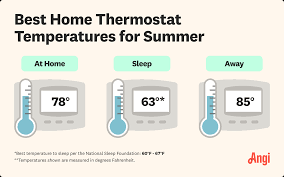
Best Thermostat Settings for LA Summer (Home, Sleep, Away)
There isn’t one perfect number for every household, but the settings below are realistic for most LA homes.
1) When you’re home (daytime comfort)
Recommended range: 76–78°F
Why it works:
- Comfortable for most people with normal airflow
- Reduces constant running compared to lower temps
- Helps keep energy use stable during peak heat hours
If your home runs hot (top floor, lots of sun, poor insulation), start at 76°F and adjust slowly by 1 degree at a time until comfort improves.
2) When you’re sleeping
Recommended range: 78–80°F (with fans)
or 74–76°F (if you prefer cooler sleep)
Most people can sleep comfortably at a warmer setting if air is moving. A fan in the bedroom often lets you raise the thermostat 2–4 degrees without feeling uncomfortable.
3) When you’re away (work, errands, daytime travel)
Recommended range: 82–85°F
This is one of the best bill-lowering moves you can make. Instead of turning your AC completely off, you let the house warm up slightly—but not so much that the system has to work like crazy to cool down again.
If you have pets at home, be careful with higher temperatures. Staying near the low end of this range is often safer.
Should You Turn the AC Off When You Leave in Los Angeles?
Sometimes, but not always.
Turning it off can save money if:
- you’re gone for many hours,
- your home doesn’t get extremely hot,
- and you can tolerate a longer cool-down time when you return.
But in many LA homes, turning it completely off causes the indoor temperature to climb so high that:
- walls and furniture store heat,
- the AC runs nonstop for hours to cool everything back down,
- and your bill may not improve much (especially during peak hours).
For most homeowners, a better strategy is:
- Home: 77–78°F
- Away: 83–85°F
- Return: cool down 30–60 minutes before you get home
This approach reduces strain and keeps comfort stable.
One Simple “LA Summer” Thermostat Schedule That Works
If you want a straightforward plan you can copy:
- Morning (6am–9am): 76–78°F
- Midday (9am–5pm, away): 83–85°F
- Evening (5pm–10pm): 76–78°F
- Night (10pm–6am): 78–80°F (use fans)
This reduces long runtime during the hottest parts of the day and avoids aggressive temperature swings that waste energy.
The Biggest Thermostat Mistakes That Drive Up LA Power Bills
Mistake #1: Keeping it too cold all day
Setting 72°F in LA summer can make your system run much longer. Try raising your setting by 1–2 degrees first. Many households see noticeable savings without feeling much difference.
Mistake #2: Fan set to “ON” instead of “AUTO”
Fan ON keeps air circulating even when the AC isn’t cooling. That can:
- use extra electricity
- make the air feel less comfortable
- push warm air through ducts between cycles
For most homes, AUTO is the better choice.
Mistake #3: Turning the thermostat up and down all day
Constant manual changes often create longer cycles and inconsistent comfort. A steady schedule is usually more efficient than “chasing” comfort every hour.
Mistake #4: Closing too many vents
People often close vents in unused rooms to save money. In many systems, this increases pressure and strains the blower, which can lead to higher wear and even reduced efficiency.
If you have airflow problems, it’s better to get the system balanced during a professional hvac maintenance service.
Smart Thermostat vs Regular Thermostat: Does It Really Help?
A smart thermostat can help if you use it correctly. The biggest benefit is consistent schedules and automatic setbacks when you leave.
Helpful features:
- “Away” mode based on schedule or location
- gradual temperature changes
- reminders for filter changes
- better control over cooling during peak hours
But even with a regular thermostat, you can still lower bills by using the settings and schedule in this article.
Use Fans the Right Way (This Is a Cheat Code for Comfort)
Fans don’t reduce the temperature of your home—but they make you feel cooler by moving air across your skin.
Best practice:
- Raise thermostat 2–4°F
- Use ceiling or standing fans in rooms you’re in
- Turn fans off when you leave the room (they cool people, not rooms)
In LA, combining 78°F + a fan often feels similar to a cooler thermostat setting without the cost.
Why HVAC Maintenance in Los Angeles CA Makes Thermostat Settings Work Better
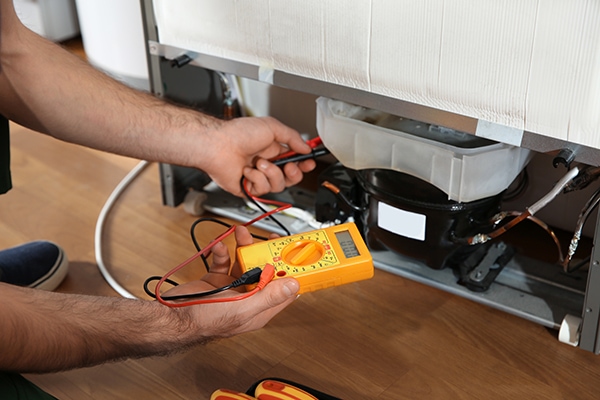
Thermostat strategy helps—but if your HVAC system isn’t efficient, it will still run longer than it should. That’s why HVAC maintenance Los Angeles CA is one of the most direct ways to lower power bills.
A proper maintenance visit can address:
- Dirty condenser coils (common in dusty environments)
- Dirty indoor coil/blower buildup
- Restricted airflow from clogged filters or duct issues
- Thermostat calibration and sensor accuracy
- Weak capacitors (often fail during summer heat waves)
- Early signs of refrigerant problems
When your system is clean, properly tuned, and moving air correctly, it cools faster and cycles more efficiently—meaning your thermostat setting actually delivers comfort without constant runtime.
That’s why many homeowners schedule hvac maintenance services before summer hits.